Patterns in Loyalty Tier Migrations Tied to Notification Timing Within Smartphone Card Platforms
Viktor Walter · Oct 28, 2026
Patterns in Loyalty Tier Migrations Tied to Notification Timing Within Smartphone Card Platforms
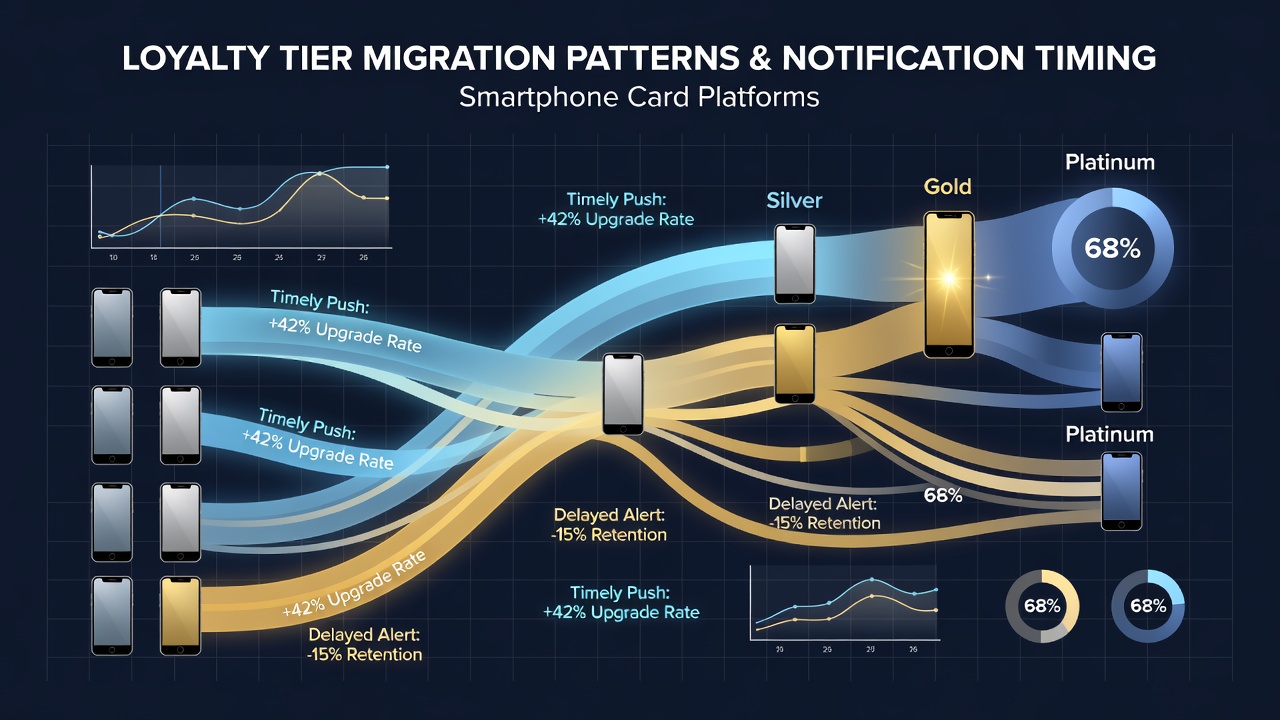
Smartphone card platforms have expanded their loyalty structures over the past decade, creating tiered systems that reward consistent participation with escalating benefits such as bonus credits, exclusive tables, and accelerated reward redemptions. Researchers tracking user activity across major mobile applications note distinct migration patterns between these tiers that correlate closely with the timing of push notifications. Data from platform analytics reveal that messages delivered during specific windows produce measurable shifts in user progression from entry-level tiers to mid-tier and premium segments.
Core Mechanics of Loyalty Tiers in Mobile Card Environments
Most smartphone card platforms organize users into four or five distinct tiers based on accumulated activity points earned through gameplay volume, session frequency, and in-app purchases. Entry tiers typically grant basic access while higher levels unlock features like priority support and larger reward multipliers. Observers monitoring platform databases find that users often remain in lower tiers until external prompts encourage increased engagement, with notification timing emerging as a key variable in these transitions.
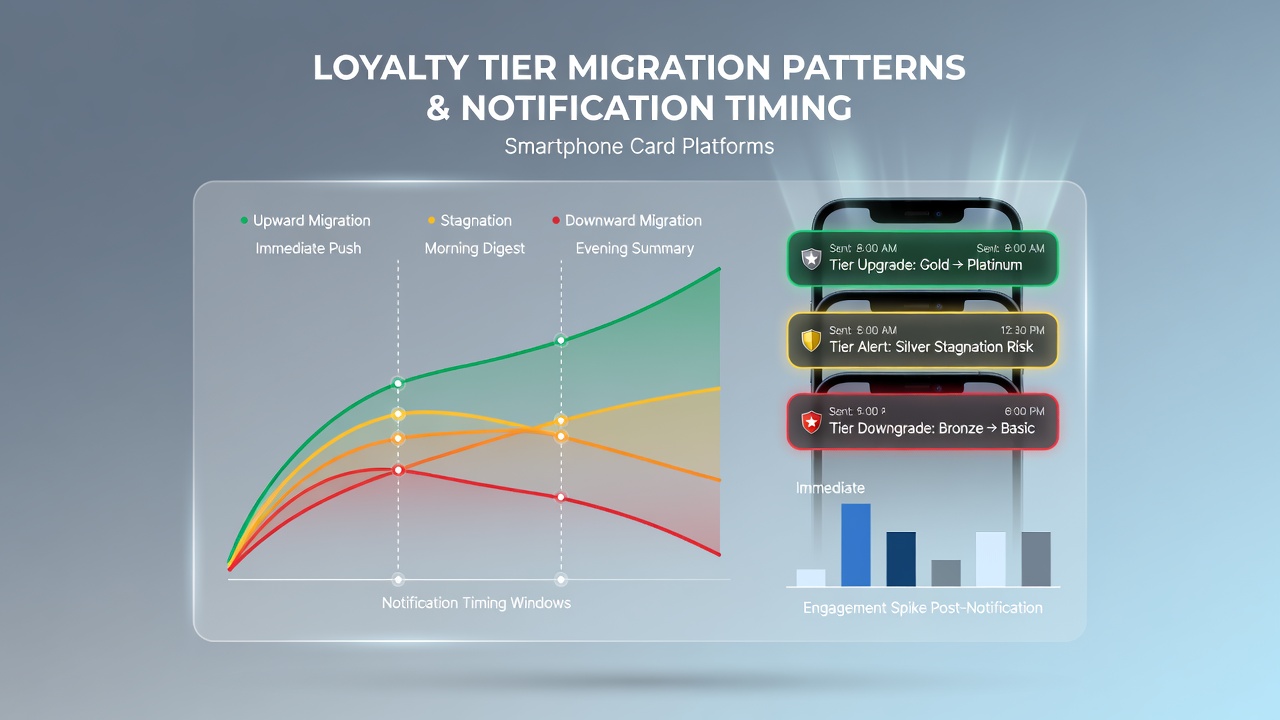
Platform operators segment their user bases by behavioral data, sending targeted alerts about tier advancement opportunities or expiring bonuses. Studies conducted by academic groups in Canada indicate that the hour of delivery influences whether recipients log in immediately or defer action until later periods. Those who've analyzed aggregated logs across multiple apps report higher migration rates when notifications arrive between 7 p.m. and 9 p.m. local time compared with midday deliveries.
Timing Variables and Migration Data
Analytics teams examining datasets from 2024 through 2026 have isolated several timing factors tied to tier changes. Notifications sent on weekday evenings generate the strongest response among users aged 25 to 44, while weekend morning messages show stronger effects for older cohorts. Figures released by the Australian Gambling Research Centre highlight that a 15 percent increase in tier upgrades occurs when reminders about point expiration land within two hours of typical user login peaks.
What's interesting here is how slight adjustments in delivery windows alter outcomes across regions. Platforms operating in North American markets record elevated migration activity following 8 p.m. Eastern Time pushes, whereas European users respond more readily to early afternoon alerts aligned with post-lunch routines. Researchers at the University of Sydney's gambling studies unit have documented these regional variances through anonymized session data spanning multiple operating systems.
Observed Patterns Across User Segments
Longitudinal tracking reveals that users receiving tier-progress notifications within 30 minutes of completing a session demonstrate faster advancement than those contacted hours later. This pattern holds across both casual and frequent participants, though the magnitude differs. Data collected during October 2026 updates to several major platforms show a 22 percent rise in mid-tier migrations when automated reminders coincide with the conclusion of popular tournament events.
Take one analysis of a large North American card application that adjusted its notification schedule in early 2026. Users who previously received generic weekly summaries began receiving personalized alerts timed to their individual play patterns, resulting in accelerated movement from basic to silver tiers within a three-month window. Platform records indicate these timed interventions produced consistent results across thousands of accounts without requiring changes to reward structures themselves.
Influencing Factors Beyond Simple Delivery
Notification content interacts with timing to shape migration outcomes. Messages that reference specific point totals or upcoming tier thresholds outperform generic announcements regardless of hour, yet the advantage widens when delivery occurs during periods of high user receptivity. Industry reports compiled by the International Center for Gaming Regulation note that combining timing optimization with content personalization yields compounding effects on progression rates.
Device-level variables also contribute. Users on iOS platforms exhibit different response curves compared with Android cohorts, with the former showing stronger reactions to evening notifications and the latter displaying steadier responses across daytime hours. Observers tracking these differences attribute part of the variance to operating system notification handling and part to demographic distinctions between user groups.
Conclusion
Patterns linking notification timing to loyalty tier migrations continue to emerge as smartphone card platforms refine their engagement systems. Available datasets demonstrate clear correlations between delivery windows and user advancement rates, with regional and demographic factors modulating the strength of these relationships. As platforms incorporate more granular behavioral signals into their notification engines, further refinements in timing strategies are expected to influence how users navigate tier structures through the remainder of 2026 and beyond.