Mapping How Reward Structures Influence Strategic Shifts in Portable Card Competition Formats
Ines Beck · Sep 16, 2026
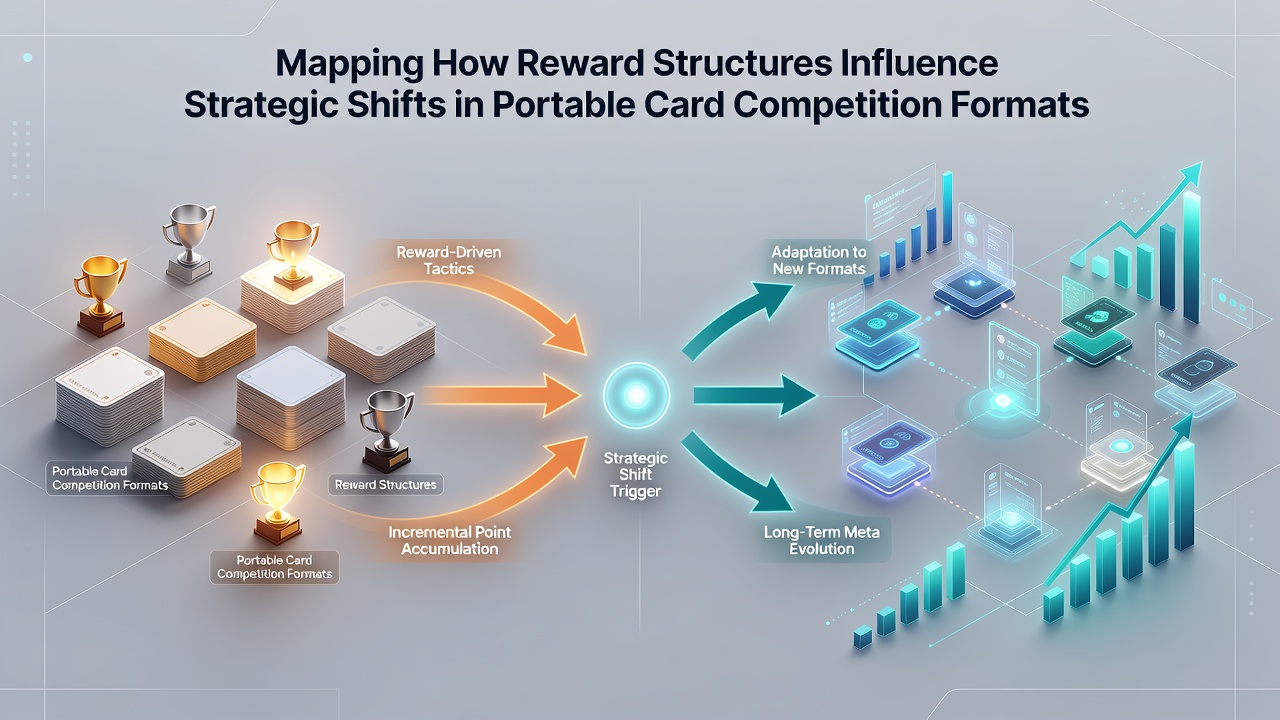
Mapping How Reward Structures Influence Strategic Shifts in Portable Card Competition Formats
Portable card competition formats have expanded rapidly over the past decade as mobile devices became primary platforms for organized play, and reward structures within these systems continue to shape how participants adjust their approaches during events. Organizers design point systems, prize pools, and progression mechanics that directly affect decision-making patterns observed across thousands of matches each month.
Core Components of Reward Structures in Mobile Card Events
Reward frameworks typically combine immediate payouts with long-term ranking incentives, creating layered motivations that competitors weigh when selecting decks or timing aggressive moves. Data collected from major platforms shows that formats emphasizing cumulative leaderboards encourage conservative resource management early in tournaments while those offering per-match bonuses promote riskier plays to secure quick points. September 2026 brought updated reporting from several international tracking services that highlighted a 14 percent increase in format switches among top-ranked players following adjustments to daily reward multipliers.
Strategic Adjustments Observed Across Different Formats
Players adapt their card selection and sequencing based on how rewards scale with consistency versus peak performance. In systems where bonus multipliers activate after consecutive wins, participants often retain defensive cards longer to maintain streaks rather than committing to high-variance combinations. Research from the University of Waterloo's gaming analytics group demonstrates that such structures correlate with reduced early elimination rates and extended match durations across portable events. Meanwhile formats that reward total matches played regardless of outcome tend to draw broader participation yet produce more variable strategic depth according to aggregated platform statistics.
Regional Variations and Platform Data
European operators have implemented tiered reward ladders that reset monthly, prompting competitors to prioritize volume over perfection in the final weeks of each cycle. Australian regulatory summaries released in late 2025 noted similar patterns when portable formats introduced regional leaderboards tied to national qualifiers. Those who've reviewed entry logs across multiple servers report that reward emphasis on participation milestones draws casual entrants while prestige-based systems retain dedicated competitors who refine lineups over successive events. What's interesting is how small changes in payout thresholds can trigger measurable shifts in deck diversity within days of implementation.
Impact on Deck Building and In-Game Decisions
Deck construction evolves when reward systems favor specific archetypes through targeted bonuses or format restrictions. Portable competitions that grant extra points for completing collections within a single event see increased experimentation with hybrid builds, whereas pure ranking ladders push refinement of established meta choices. Observers tracking September 2026 tournaments recorded a noticeable uptick in mid-tier card inclusions once organizers added secondary rewards for underutilized pieces. These adjustments illustrate how external incentives guide internal strategy without altering core rules.
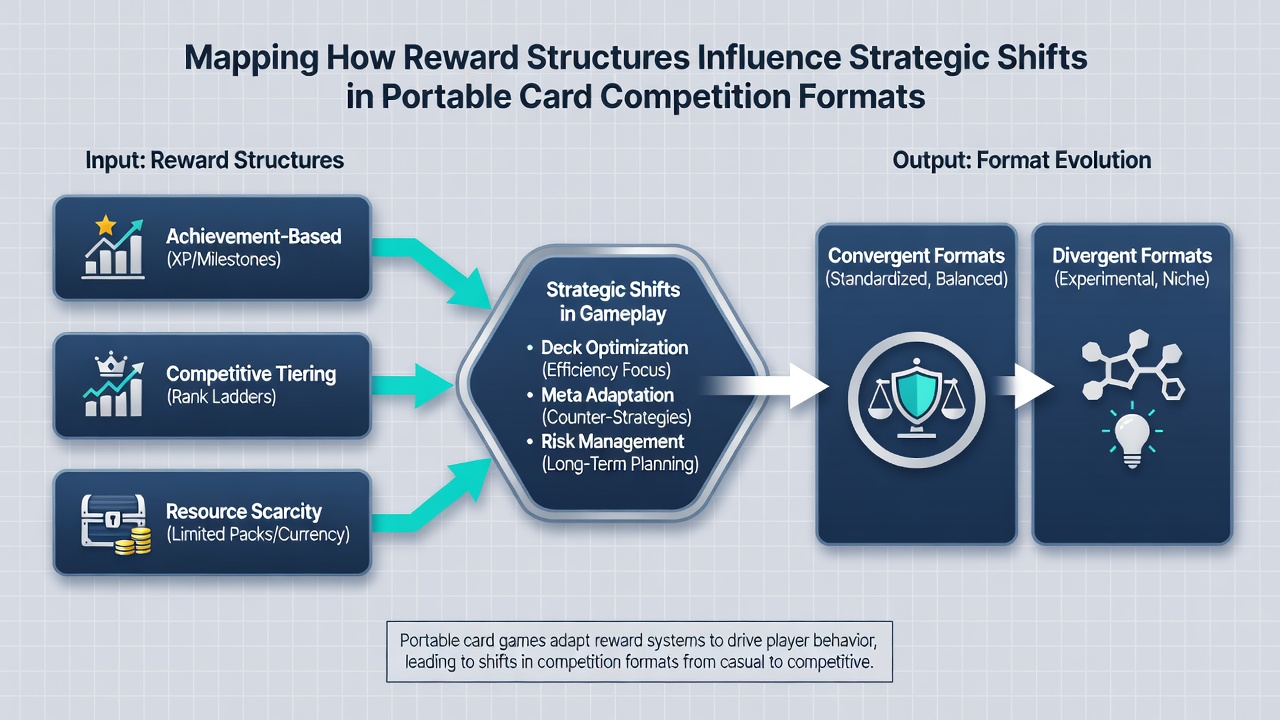
Platform operators continue refining these mechanics based on participation metrics gathered from millions of sessions. When rewards emphasize survival into later rounds rather than total victories, competitors allocate more resources toward removal and control elements instead of raw damage output. A report published by the Canadian Centre for Gaming Research links such structures to steadier engagement curves across age groups participating in mobile events.
Tracking Long-Term Effects Through Participation Metrics
Longitudinal data reveals that reward structures influence retention rates differently depending on whether they reset frequently or accumulate over seasons. Frequent resets correlate with higher turnover yet sustained daily logins, while persistent systems foster deeper investment in personal collections and consistent attendance. Analysts examining global leaderboards during the first half of 2026 identified clear migration patterns between formats after each reward update cycle. These movements demonstrate how competitors map available incentives against their own play styles before committing to particular events.
Conclusion
Mapping reward structures against observed strategic shifts provides organizers and participants alike with clearer insight into how portable card competition formats continue evolving. Continued collection of performance data through 2026 and beyond will further clarify connections between incentive design and competitive behavior across mobile platforms.