How Mobile Payment Security Features Shape Tournament Participation Patterns in Digital Card Rooms
Viktor Walter · Sep 2, 2026
How Mobile Payment Security Features Shape Tournament Participation Patterns in Digital Card Rooms
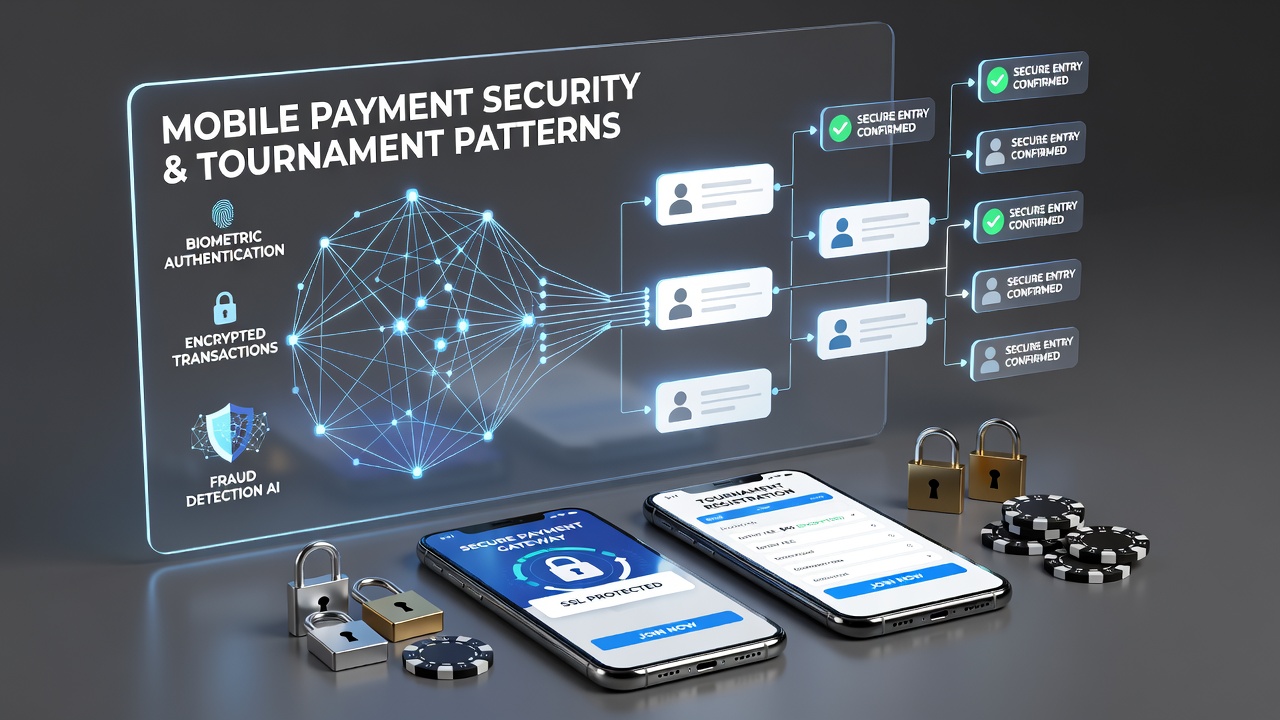
Digital card rooms have integrated mobile payment systems that rely on layered security protocols, and these measures directly influence how players select and join tournaments. Encryption standards, biometric authentication, and tokenization processes reduce unauthorized access risks while streamlining deposit and withdrawal flows. Observers note that participation rates in mobile-enabled events have risen steadily since platforms adopted these features in response to regulatory requirements across multiple jurisdictions.
Research from the European Gaming and Betting Association shows that secure mobile transactions correlate with increased entry volumes in scheduled online poker tournaments. Players gain confidence when applications use end-to-end encryption combined with device-specific tokens, which prevent credential reuse across sessions. This setup allows seamless movement between deposit screens and tournament lobbies without repeated logins, and data indicates higher completion rates for multi-table events among users who complete payments on mobile devices.
Key Security Components Driving Player Behavior
Biometric verification such as fingerprint and facial recognition serves as the first barrier in many digital card room applications. These methods replace or supplement passwords, cutting down on account takeover incidents that previously disrupted tournament schedules. When platforms enforce biometric checks for every transaction above a set threshold, participation patterns shift toward more frequent but smaller buy-in events, because players complete funding steps faster and with less friction.
Tokenization further separates sensitive card details from the actual payment process by replacing them with unique identifiers that hold no value if intercepted. Industry reports reveal that card rooms employing this technique experience fewer chargeback disputes during high-volume tournament periods. Consequently, operators schedule additional daily events in September 2026, anticipating sustained engagement from mobile users who trust the underlying infrastructure.
Regional Regulatory Influences on Adoption Rates
Regulators in different markets impose distinct standards that affect how quickly mobile payment security upgrades reach players. The Malta Gaming Authority requires periodic audits of encryption protocols and transaction monitoring systems, which has led platforms licensed there to roll out updates ahead of major tournament series. Players in those ecosystems show measurable increases in cross-border entries, particularly for satellites feeding into larger live events.
In contrast, oversight from the Nevada Gaming Control Board emphasizes real-time fraud detection paired with secure payment gateways. Data compiled by university researchers at UNLV demonstrates that these combined controls encourage repeat participation among residents who previously limited activity to desktop platforms. Patterns emerge where mobile users enter more micro-stakes tournaments per week once security features stabilize account balances and payout speeds.
Observed Shifts in Tournament Entry Patterns
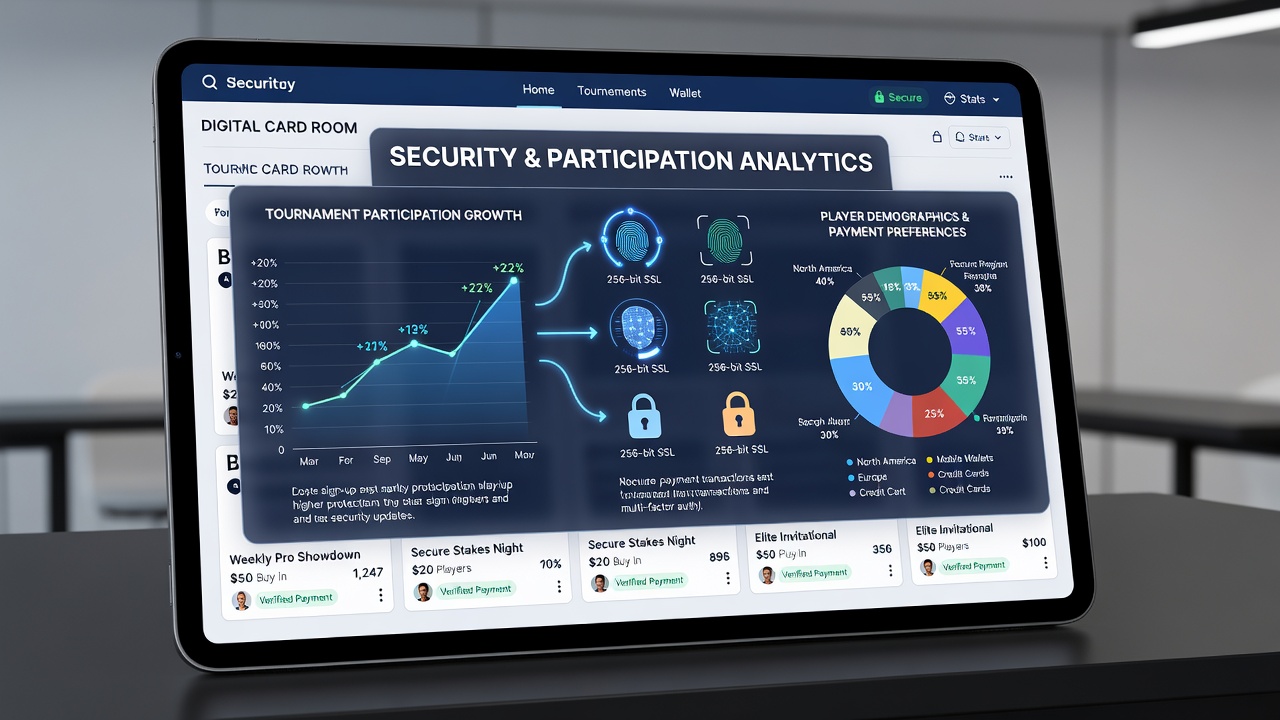
Analytics from several major card room networks indicate that mobile payment security upgrades coincide with a redistribution of entries across time zones. Evening tournaments in European markets attract more North American participants when instant verification allows deposits without delay. This cross-regional flow becomes especially pronounced ahead of marquee series scheduled for late 2026, where guaranteed prize pools depend on consistent mobile-driven registration numbers.
Secure multi-factor authentication also reduces instances of mid-tournament disconnections caused by payment verification failures. When players remain logged in through biometric rechecks rather than full password resets, average session lengths extend and late-registration volumes climb. One study tracking user cohorts found that accounts protected by advanced token systems registered for 23 percent more events per month compared with those using legacy verification methods.
Future Projections Through 2026
Platform operators preparing calendars for September 2026 already factor mobile security enhancements into scheduling decisions. Additional guarantee events appear on preliminary lineups because projections based on current adoption curves suggest continued growth in funded mobile accounts. Security certifications from independent labs serve as marketing signals that further encourage new users to complete initial deposits and enter their first tournaments.
Payment providers continue refining behavioral analytics that flag unusual transaction patterns without interrupting legitimate play. These tools integrate directly into card room software, allowing real-time risk scoring that maintains tournament integrity while preserving participation momentum. Observers track these developments through aggregated industry metrics rather than individual platform disclosures.
Conclusion
Mobile payment security features continue to reshape entry distribution, timing preferences, and geographic reach within digital card room tournaments. Encryption protocols, biometrics, and token systems collectively lower barriers that once limited mobile engagement, and regulatory frameworks in key markets reinforce these technical safeguards. Participation data through the coming year will reflect how these elements interact with evolving player habits and scheduled event structures.